

Can a vertical cylindrical gear reducer be used in a dusty environment?
Sep 27, 2026
As a supplier of Vertical Cylindrical Gear Reducers, I often encounter inquiries from customers about the suitability of our products in various environments. One question that frequently comes up is whether a vertical cylindrical gear reducer can be used in a dusty environment. In this blog post, I will delve into this topic, exploring the challenges and solutions associated with using these gear reducers in dusty conditions.
Understanding the Dusty Environment Challenge
Dusty environments pose unique challenges to mechanical equipment, including vertical cylindrical gear reducers. Dust particles can infiltrate the gearbox, causing abrasion, wear, and damage to the gears, bearings, and other components. Over time, this can lead to reduced efficiency, increased noise, and even premature failure of the gear reducer.
The size, shape, and composition of the dust particles can also affect the performance of the gear reducer. Fine dust particles, such as those found in industrial settings like mining, cement production, and woodworking, can easily penetrate the seals and lubrication system of the gearbox. Coarser dust particles, on the other hand, can cause more significant damage by scratching and scoring the surfaces of the gears and bearings.
Design Features of Vertical Cylindrical Gear Reducers for Dusty Environments
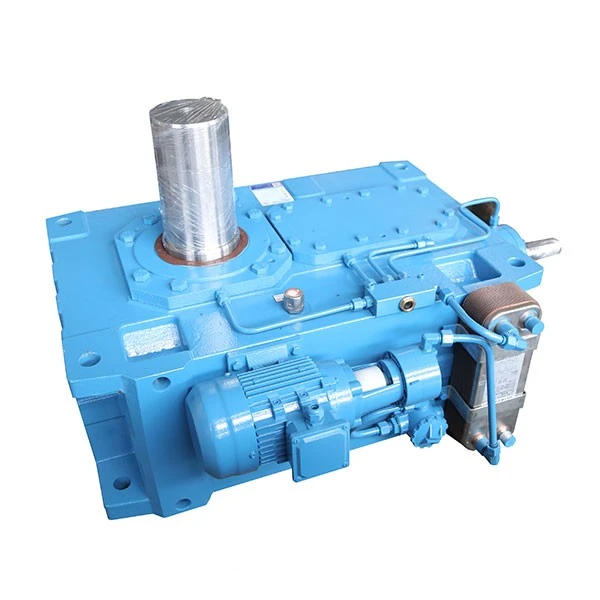
To address the challenges posed by dusty environments, vertical cylindrical gear reducers are designed with several features to protect the internal components from dust ingress. These features include:
Sealing Systems
One of the most critical design features of a vertical cylindrical gear reducer for dusty environments is the sealing system. High-quality seals are used to prevent dust particles from entering the gearbox. These seals are typically made of materials such as rubber or synthetic polymers, which provide a tight seal against dust and other contaminants.
Some gear reducers also feature double seals or labyrinth seals, which provide an additional layer of protection against dust ingress. These seals are designed to trap dust particles before they can reach the internal components of the gearbox.
Enclosures
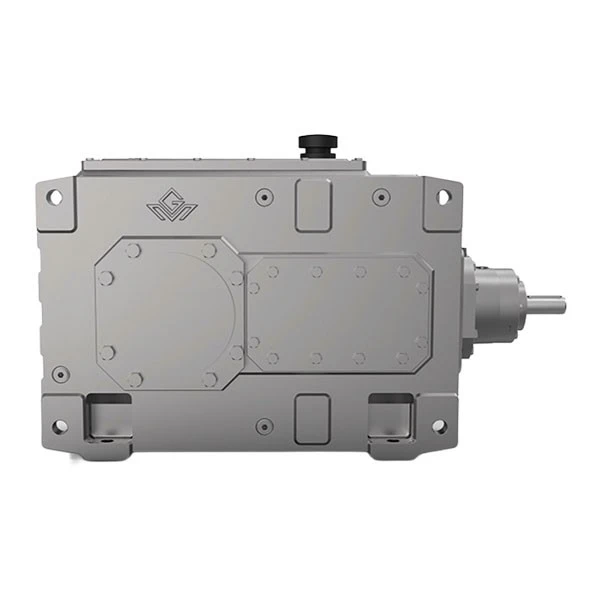
In addition to sealing systems, vertical cylindrical gear reducers can be equipped with enclosures to further protect the gearbox from dust. These enclosures are typically made of metal or plastic and are designed to fit snugly around the gearbox, preventing dust from entering through the sides or top.
Enclosures can also be designed with ventilation systems to allow for the dissipation of heat generated by the gearbox. This helps to prevent overheating, which can further damage the internal components of the gearbox.
Lubrication Systems
Proper lubrication is essential for the smooth operation of a vertical cylindrical gear reducer, especially in dusty environments. Lubricants help to reduce friction and wear between the gears and bearings, as well as protect the internal components from corrosion and oxidation.
In dusty environments, it is important to use lubricants that are specifically designed to resist dust and other contaminants. These lubricants typically have a high viscosity and contain additives that help to prevent the formation of sludge and other deposits.
Maintenance and Monitoring in Dusty Environments
Even with the best design features, vertical cylindrical gear reducers require regular maintenance and monitoring in dusty environments to ensure optimal performance and longevity. Some of the key maintenance tasks include:
Regular Cleaning
Regular cleaning of the gearbox and its components is essential to remove dust and other contaminants. This can be done using a compressed air gun or a vacuum cleaner to blow or suck the dust out of the gearbox.
It is also important to clean the external surfaces of the gearbox to prevent dust from accumulating and entering the seals and ventilation system.
Lubricant Replacement
Lubricant replacement is another critical maintenance task in dusty environments. Over time, the lubricant can become contaminated with dust and other particles, which can reduce its effectiveness and cause damage to the internal components of the gearbox.
It is recommended to replace the lubricant at regular intervals, as specified by the manufacturer. This helps to ensure that the gearbox is properly lubricated and protected from wear and corrosion.
Monitoring and Inspection
Regular monitoring and inspection of the gearbox are essential to detect any signs of wear or damage early on. This can be done using a variety of techniques, such as vibration analysis, temperature monitoring, and oil analysis.
By monitoring the performance of the gearbox, it is possible to identify any potential problems before they become serious and take appropriate action to prevent further damage.
Real-World Applications
Vertical cylindrical gear reducers are widely used in a variety of industries and applications, including those with dusty environments. Some of the common applications include:
Mining
In the mining industry, vertical cylindrical gear reducers are used in a variety of equipment, such as conveyors, crushers, and mills. These applications are often exposed to high levels of dust and other contaminants, making it essential to use gear reducers that are designed to withstand these conditions.
Cement Production
Cement production is another industry that generates a significant amount of dust. Vertical cylindrical gear reducers are used in cement mills, kilns, and other equipment to provide reliable and efficient power transmission.
Woodworking
In the woodworking industry, vertical cylindrical gear reducers are used in sawmills, planers, and other equipment. These applications are often exposed to wood dust, which can be harmful to the health of workers and cause damage to the equipment.
Conclusion
In conclusion, a vertical cylindrical gear reducer can be used in a dusty environment, provided that it is designed with the appropriate features and maintained properly. By using high-quality seals, enclosures, and lubrication systems, as well as implementing regular maintenance and monitoring procedures, it is possible to ensure the reliable and efficient operation of the gear reducer in dusty conditions.
If you are considering using a vertical cylindrical gear reducer in a dusty environment, I encourage you to contact us to discuss your specific requirements. Our team of experts can help you select the right gear reducer for your application and provide you with the support and guidance you need to ensure its optimal performance.
For more information about our Industrial Helical Gearbox, please visit our website or contact us directly. We look forward to working with you to meet your gear reducer needs.
References
- Machinery's Handbook, 31st Edition
- Gear Design and Application, Second Edition by Darle W. Dudley
- Industrial Lubrication for Maintenance Professionals by Howard S. Rudnick