

How does the material affect the performance of an industrial helical gearbox?
Sep 02, 2026
How does the material affect the performance of an industrial helical gearbox?

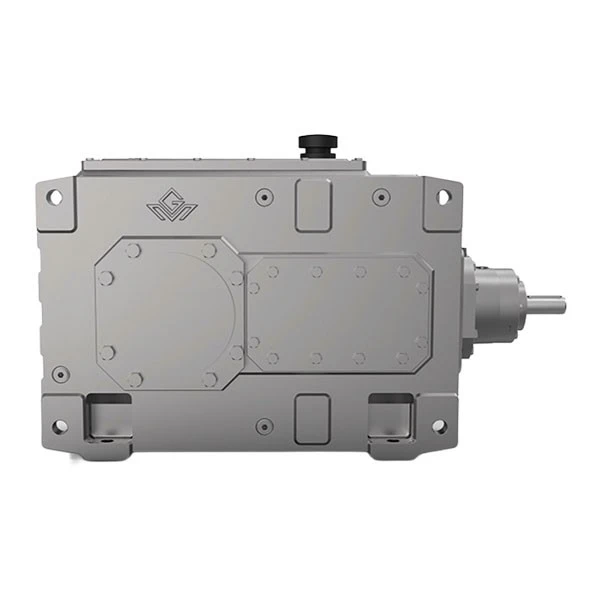
As a supplier of Industrial Helical Gearboxes, I've witnessed firsthand the profound impact that materials can have on the performance of these essential industrial components. Industrial helical gearboxes are widely used in various industries, from manufacturing to mining, and their performance is crucial for the smooth operation of machinery. In this blog, I'll explore how different materials can affect the performance of an industrial helical gearbox.
Material and Durability
One of the most critical aspects of an industrial helical gearbox is its durability. The gearbox is often subjected to high loads, continuous operation, and harsh environments. Therefore, the material used in its construction plays a significant role in determining its lifespan.
For instance, steel is a commonly used material for industrial helical gearboxes. Steel offers high strength and excellent wear resistance, making it suitable for heavy - duty applications. High - carbon steel, in particular, can withstand high stress and torque, which is essential when the gearbox is used in machinery that requires high power transmission. For example, in a large - scale manufacturing plant where heavy machinery is in constant operation, a steel - made industrial helical gearbox can endure the continuous stress and last for a long time.
On the other hand, cast iron is also a popular choice. Cast iron has good damping properties, which can reduce vibration and noise during the operation of the gearbox. This is beneficial in environments where noise reduction is a priority, such as in some precision manufacturing processes. However, compared to steel, cast iron is generally less strong and may not be as suitable for extremely high - load applications.
Material and Efficiency
The material of the gearbox can also have a significant impact on its efficiency. Friction is a major factor that affects the efficiency of a gearbox. Different materials have different coefficients of friction, which can influence how much energy is lost during the power transmission process.
For example, gears made of bronze are known for their low friction coefficients. When used in an industrial helical gearbox, bronze gears can reduce the amount of energy lost due to friction, thereby improving the overall efficiency of the gearbox. This is particularly important in applications where energy conservation is a concern, such as in some energy - intensive industries.
In addition, the surface finish of the gear material also affects efficiency. A smooth surface finish can reduce friction and improve the meshing of the gears. Materials that can be easily machined to achieve a high - quality surface finish, such as some types of alloy steels, are more likely to result in a more efficient gearbox.
Material and Noise and Vibration
Noise and vibration are common issues in industrial helical gearboxes. The material used can help to mitigate these problems. As mentioned earlier, cast iron has good damping properties, which can absorb and dissipate vibration energy, reducing the noise generated during the operation of the gearbox.
Some advanced composite materials are also being explored for use in gearboxes. These materials can offer a combination of low weight, high strength, and good damping characteristics. For example, carbon fiber - reinforced composites can reduce the weight of the gearbox while also providing effective vibration damping, which is beneficial for applications where weight reduction and noise control are important, such as in aerospace and automotive industries.
Material and Cost - Effectiveness
Cost - effectiveness is an important consideration for any industrial component. The choice of material for an industrial helical gearbox needs to balance performance and cost.
Steel is relatively cost - effective for most heavy - duty applications. It offers a good balance between strength, durability, and cost. However, for some specialized applications, more expensive materials may be required. For example, gears made of high - performance alloys may be necessary in applications where extreme temperatures or corrosive environments are present.
When considering cost - effectiveness, it's also important to take into account the long - term cost. A more expensive material may result in a longer - lasting gearbox, which can reduce the overall cost of ownership over time due to fewer replacements and maintenance requirements.
Applications and Material Selection
Different applications require different types of industrial helical gearboxes, and the material selection is closely related to these applications.
In the plastics industry, Conical Double Screw Extruder Drive Unit and Single Screw Extruder Drive Unit are commonly used. These drive units often require gearboxes that can withstand high temperatures and corrosive plastics. In such cases, corrosion - resistant materials like stainless steel or special coatings may be used to ensure the longevity of the gearbox.
For general industrial applications, Industrial Helical Gearbox made of standard steel or cast iron are often sufficient. These gearboxes can handle a wide range of loads and operating conditions.
Conclusion
In conclusion, the material used in an industrial helical gearbox has a profound impact on its performance, including durability, efficiency, noise and vibration levels, and cost - effectiveness. As a supplier, we understand the importance of selecting the right material for each application. We work closely with our customers to understand their specific requirements and recommend the most suitable materials for their industrial helical gearboxes.
If you are in the market for an industrial helical gearbox and want to discuss your specific needs, we are here to help. Our team of experts can provide you with detailed information and guidance on material selection, ensuring that you get a gearbox that meets your performance and cost requirements. Contact us today to start the procurement and negotiation process.
References
- "Mechanical Design of Machine Elements and Machines: A Failure - Prevention Perspective" by Robert L. Norton
- "Gear Design and Application" by Dudley's Gear Handbook