

How to adjust the screw speed with a single screw extruder reducer?
Sep 07, 2026
Hey there! As a supplier of Single Screw Extruder Reducers, I've got a ton of experience in this field. Today, I'm gonna share with you how to adjust the screw speed with a single screw extruder reducer.

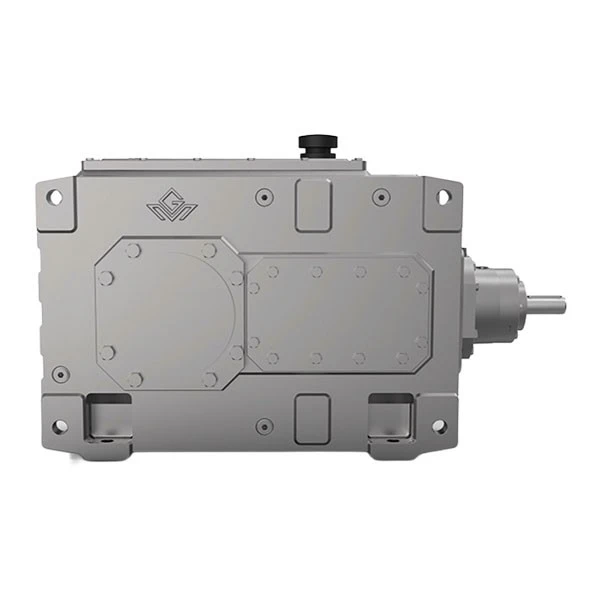
Understanding the Basics
First off, let's get a basic understanding of what a single screw extruder reducer is. It's a crucial part of the extruder system that helps control the speed of the screw. The screw in an extruder is responsible for pushing the material through the machine, and the reducer allows us to fine - tune that pushing speed.
Think of it like driving a car. The engine is the power source, and the gearbox (similar to our reducer) is what lets you change the speed. In an extruder, the motor provides the power, and the reducer adjusts how fast the screw rotates.
Why Adjust the Screw Speed?
There are several reasons why you might want to adjust the screw speed. One of the main reasons is to control the output rate of the extruder. If you need to produce a large quantity of product quickly, you'd increase the screw speed. On the other hand, if you're working with a delicate material that requires more careful processing, you'd slow down the screw.
Another reason is to ensure the quality of the final product. Different materials have different melting and flow characteristics. By adjusting the screw speed, we can make sure that the material is properly melted, mixed, and extruded. For example, if the screw speed is too high, the material might not have enough time to melt completely, resulting in a poor - quality product.
How to Adjust the Screw Speed
Step 1: Know Your Reducer
Before you start adjusting the speed, you need to know the specifications of your single screw extruder reducer. Check the user manual to find out the range of speeds it can handle, the type of control mechanism it has (manual or electronic), and any safety precautions.
Step 2: Manual Adjustment
If your reducer has a manual adjustment mechanism, it usually involves turning a knob or a dial. This is a simple and straightforward way to change the speed. Start by turning the knob slowly in the direction that increases or decreases the speed, depending on your needs. Keep an eye on the speed indicator (if available) to make sure you're within the safe operating range.
For example, if you're using a manual - controlled reducer and you want to increase the screw speed, turn the knob clockwise. But be careful not to turn it too far too quickly, as this could damage the reducer or the extruder.
Step 3: Electronic Adjustment
Many modern single screw extruder reducers come with electronic control systems. These systems are more precise and allow for more accurate speed adjustments. To adjust the speed using an electronic system, you'll typically use a control panel.
On the control panel, you can enter the desired speed value. The system will then adjust the motor's output to achieve that speed. Some electronic control systems also have features like speed ramping, which allows you to gradually increase or decrease the speed over a set period of time. This can be very useful when starting up or shutting down the extruder.
Step 4: Monitoring and Fine - Tuning
Once you've made an initial adjustment to the screw speed, it's important to monitor the extruder's performance. Check the output rate, the quality of the extruded product, and the temperature of the material. If the product quality isn't up to par, you may need to make further adjustments to the speed.
For example, if the extruded product has air bubbles or uneven texture, it could be a sign that the screw speed is too high or too low. In this case, make small adjustments to the speed and see if the problem improves.
Factors Affecting Screw Speed Adjustment
Material Properties
The type of material you're extruding plays a big role in determining the appropriate screw speed. Materials with high viscosity, like some plastics, require slower screw speeds to ensure proper melting and mixing. On the other hand, materials with low viscosity can handle higher speeds.
Extruder Design
The design of the extruder itself also affects the screw speed adjustment. Different extruders have different screw geometries, barrel lengths, and heating systems. These factors can influence how the material moves through the extruder and how the screw speed needs to be adjusted.
Production Requirements
Your production requirements, such as the desired output rate and the quality of the final product, will also determine the screw speed. If you need to produce a large quantity of product in a short time, you'll likely need to increase the screw speed. But if quality is your top priority, you may need to slow down the speed to ensure proper processing.
Related Products
If you're interested in other types of extruder drive units, we also offer Conical Double Screw Extruder Drive Unit and Single Screw Extruder Drive Unit. These products are designed to meet different production needs and can provide reliable performance.
We also have Industrial Helical Gearbox, which can be used in various industrial applications. These gearboxes are known for their high efficiency and durability.
Conclusion
Adjusting the screw speed with a single screw extruder reducer is an important skill for anyone working with extruders. By understanding the basics, following the right steps, and considering the factors that affect speed adjustment, you can ensure optimal performance and high - quality products.
If you're in the market for a single screw extruder reducer or any of our other products, don't hesitate to reach out. We're here to help you find the right solution for your production needs. Let's have a chat and see how we can work together!
References
- Extrusion Technology Handbook, various editions
- Manufacturer's manuals for single screw extruder reducers