

What is the influence of the reducer on the extrusion temperature of a single screw extruder?
Sep 30, 2026
As a supplier of Single Screw Extruder Reducers, I've witnessed firsthand the intricate relationship between the reducer and the extrusion temperature in a single screw extruder. In this blog, I'll delve into the various ways in which the reducer influences the extrusion temperature and why it's crucial for manufacturers to understand this dynamic.
The Basics of Single Screw Extruders and Reducers
Before we explore the influence of the reducer on extrusion temperature, let's briefly review the basic functions of a single screw extruder and its reducer. A single screw extruder is a machine used to melt and convey plastic materials through a die to create various plastic products. The screw rotates inside the barrel, pushing the plastic forward while applying heat and pressure to melt it.
The reducer, on the other hand, is an essential component that connects the motor to the screw. Its main function is to reduce the high - speed rotation of the motor to a lower, more suitable speed for the screw. This speed reduction is necessary because the screw needs to rotate at a relatively slow and stable speed to ensure proper melting and conveying of the plastic.
How the Reducer Affects Extrusion Temperature
1. Power Transmission Efficiency
The efficiency of power transmission from the motor to the screw is a key factor in determining the extrusion temperature. A high - quality reducer with good power transmission efficiency can transfer more energy from the motor to the screw with less energy loss. When there is less energy loss in the power transmission process, less heat is generated due to friction and inefficiencies within the reducer.
For example, if a reducer has a low power transmission efficiency, a significant amount of the electrical energy from the motor is converted into heat within the reducer itself. This additional heat can then be transferred to the extruder barrel, increasing the overall extrusion temperature. In contrast, a well - designed Industrial Helical Gearbox can offer high power transmission efficiency, minimizing the heat generated during power transfer and helping to maintain a more stable extrusion temperature.
2. Torque and Speed Control
The reducer plays a vital role in controlling the torque and speed of the screw. Torque is the rotational force applied to the screw, and speed is the rate at which the screw rotates. By adjusting the gear ratio of the reducer, we can precisely control the torque and speed of the screw.
When the screw rotates at a higher speed, it generates more shear force on the plastic material. This shear force causes the plastic to heat up as it is deformed and mixed. If the reducer allows the screw to rotate too fast, the shear heating can lead to an excessive increase in the extrusion temperature. On the other hand, if the speed is too low, the plastic may not melt properly, and the extrusion process may be inefficient.
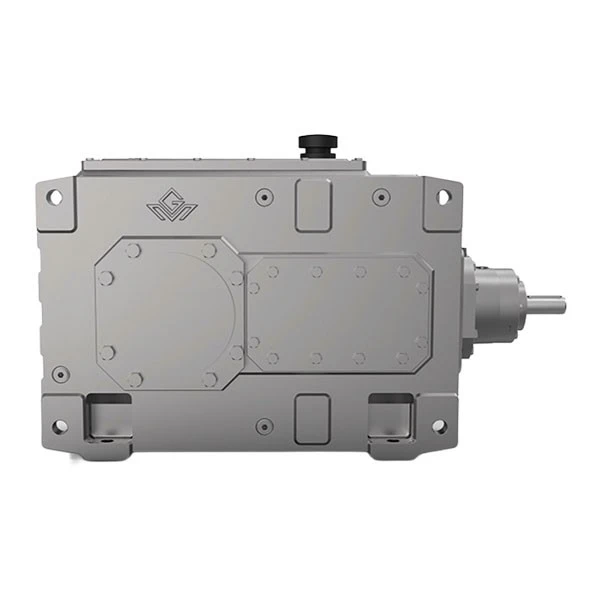
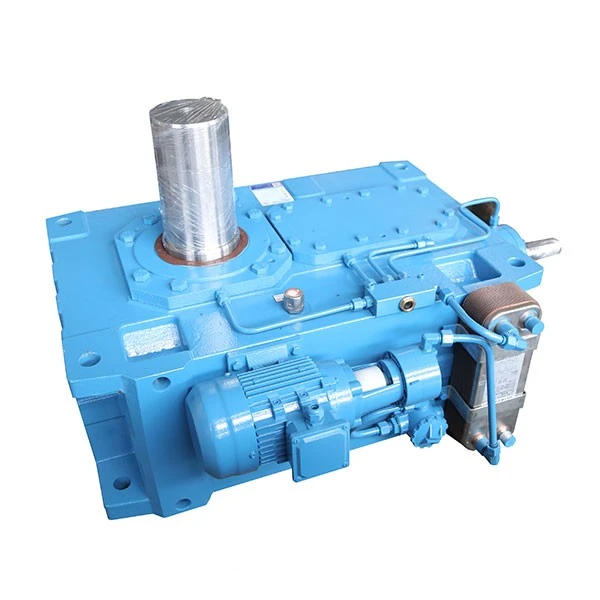
Similarly, the torque applied to the screw affects the pressure and friction within the extruder barrel. Higher torque can increase the pressure on the plastic, which in turn can generate more heat. A reducer that can provide a stable and appropriate torque is essential for maintaining a consistent extrusion temperature.
3. Heat Dissipation
The design of the reducer also affects its ability to dissipate heat. A well - ventilated and properly cooled reducer can effectively remove the heat generated during operation. If the heat is not dissipated efficiently, it can build up within the reducer and be transferred to the extruder barrel, raising the extrusion temperature.
Some reducers are equipped with cooling systems such as fans or water - cooling jackets. These cooling systems help to keep the temperature of the reducer within a safe range, preventing excessive heat transfer to the extruder. For example, a water - cooled reducer can continuously remove heat from the gears and bearings, ensuring that the overall temperature of the extruder remains stable.
The Impact of Extrusion Temperature on Product Quality
The extrusion temperature has a significant impact on the quality of the final plastic products. If the extrusion temperature is too high, the plastic may degrade, resulting in a loss of mechanical properties such as strength and toughness. High temperatures can also cause discoloration, charring, and the formation of bubbles in the plastic.
Conversely, if the extrusion temperature is too low, the plastic may not melt completely, leading to uneven distribution of additives and fillers, as well as poor surface finish. The product may also have internal stresses, which can cause warping and cracking over time.
Therefore, by controlling the extrusion temperature through the proper selection and operation of the reducer, manufacturers can ensure the production of high - quality plastic products.
Choosing the Right Reducer for Optimal Extrusion Temperature
When selecting a reducer for a single screw extruder, several factors need to be considered to ensure optimal extrusion temperature control.
1. Power Rating
The power rating of the reducer should match the power requirements of the extruder. A reducer with a too - low power rating may not be able to provide sufficient torque and speed, leading to inefficient operation and potential overheating. On the other hand, a reducer with a too - high power rating can be more expensive and may generate unnecessary heat.
2. Gear Ratio
The gear ratio of the reducer determines the speed reduction from the motor to the screw. It should be selected based on the specific requirements of the extrusion process, such as the type of plastic material, the desired output rate, and the screw design. A proper gear ratio can ensure that the screw rotates at the optimal speed to maintain a stable extrusion temperature.
3. Cooling System
As mentioned earlier, a good cooling system is essential for heat dissipation. When choosing a reducer, consider the type of cooling system it has and its effectiveness. Water - cooled reducers are generally more efficient in removing heat compared to air - cooled ones, especially for high - power extruders.
Conclusion
In conclusion, the reducer has a profound influence on the extrusion temperature of a single screw extruder. Through its impact on power transmission efficiency, torque and speed control, and heat dissipation, the reducer can either help to maintain a stable extrusion temperature or cause temperature fluctuations that can affect product quality.
As a supplier of Single Screw Extruder Reducers, we understand the importance of providing high - quality reducers that can meet the specific needs of our customers. Our reducers are designed to offer high power transmission efficiency, precise torque and speed control, and effective heat dissipation.
If you are in the market for a Single Screw Extruder Reducer and want to ensure optimal extrusion temperature control for your production process, we invite you to contact us for a detailed discussion. We can help you select the right reducer based on your specific requirements and provide you with the support you need to achieve the best results.
References
- Smith, J. (2018). "Plastic Extrusion Technology". Elsevier.
- Brown, A. (2020). "Gearbox Design and Application". McGraw - Hill.