

What is the torsional rigidity of a vertical cylindrical gear reducer?
Sep 29, 2026
As a supplier specializing in vertical cylindrical gear reducers, I often encounter various technical inquiries from customers. One question that stands out is, "What is the torsional rigidity of a vertical cylindrical gear reducer?" In this blog, we'll delve into this topic to provide a comprehensive understanding for both industry insiders and those new to the world of gear reducers.
Understanding Torsional Rigidity
Torsional rigidity is a crucial mechanical property that measures a component's resistance to torsional deformation when subjected to a torque. In the context of a vertical cylindrical gear reducer, it refers to the ability of the reducer to maintain its shape and transmit torque efficiently without excessive twisting.
Mathematically, torsional rigidity (GJ) is defined as the product of the shear modulus (G) of the material and the polar moment of inertia (J) of the cross - section. The shear modulus represents the material's inherent resistance to shear deformation, while the polar moment of inertia is a geometric property that describes how the material is distributed around the axis of rotation. A higher value of torsional rigidity means that the gear reducer can withstand greater torque without significant angular deflection.
Importance of Torsional Rigidity in Vertical Cylindrical Gear Reducers
1. Precision Transmission
In many industrial applications, precision is of utmost importance. Vertical cylindrical gear reducers are commonly used in machinery that requires accurate speed reduction and torque transmission, such as in robotics, machine tools, and conveyor systems. High torsional rigidity ensures that the input and output shafts maintain a precise angular relationship, reducing backlash and enhancing the overall accuracy of the system.
2. Load - Carrying Capacity
Gear reducers often encounter varying levels of load during operation. A gear reducer with high torsional rigidity can handle higher torques without suffering from excessive deformation. This not only extends the service life of the reducer but also allows it to be used in heavy - duty applications where large amounts of power need to be transmitted.
3. Vibration and Noise Reduction
Torsional flexibility can lead to vibrations and noise in the gear reducer. When the reducer twists under torque, it can cause misalignment between gears, resulting in uneven tooth contact and increased wear. By having high torsional rigidity, the gear reducer can reduce such vibrations and noise, creating a more stable and quiet working environment.
Factors Affecting the Torsional Rigidity of Vertical Cylindrical Gear Reducers
1. Material Selection
The choice of material for the gear reducer's components significantly affects its torsional rigidity. Materials with high shear modulus, such as steel and some alloys, are commonly used in the manufacturing of gear reducers. For example, high - strength alloy steels offer excellent mechanical properties, including high shear modulus, which contributes to a higher torsional rigidity.
2. Geometric Design
The shape and dimensions of the gear reducer's components also play a vital role. A larger diameter shaft or a more robust housing design can increase the polar moment of inertia, thereby enhancing the torsional rigidity. Additionally, the design of the gears, such as their tooth profile and width, can affect the overall torsional performance of the reducer.
3. Manufacturing Processes
The quality of the manufacturing processes can impact torsional rigidity. Precision machining ensures that the components have accurate dimensions and smooth surfaces, which is essential for proper gear meshing and torque transmission. Heat treatment processes can also improve the material's mechanical properties, further enhancing the torsional rigidity of the gear reducer.
Measuring Torsional Rigidity
There are several methods available to measure the torsional rigidity of a vertical cylindrical gear reducer. One common approach is to use a torsional testing machine. This machine applies a known torque to the input shaft of the gear reducer and measures the resulting angular deflection. By dividing the applied torque by the angular deflection, the torsional rigidity can be calculated.
Another method involves using strain gauges. Strain gauges are attached to the surface of the gear reducer's shaft, and they measure the strain caused by the applied torque. By knowing the material properties and the geometry of the shaft, the torsional rigidity can be determined from the measured strain.
Our Vertical Cylindrical Gear Reducers and Torsional Rigidity
At our company, we take great pride in manufacturing vertical cylindrical gear reducers with high torsional rigidity. We use high - quality materials and advanced manufacturing processes to ensure that our products meet the highest standards. Our engineering team conducts extensive research and development to optimize the design of our gear reducers, taking into account factors such as material selection, geometric design, and manufacturing precision.
We understand that different applications have different requirements for torsional rigidity. For applications that demand high precision, such as in the aerospace and semiconductor industries, we offer gear reducers with extremely high torsional rigidity. On the other hand, for more general - purpose applications, we provide cost - effective solutions that still offer satisfactory torsional performance.
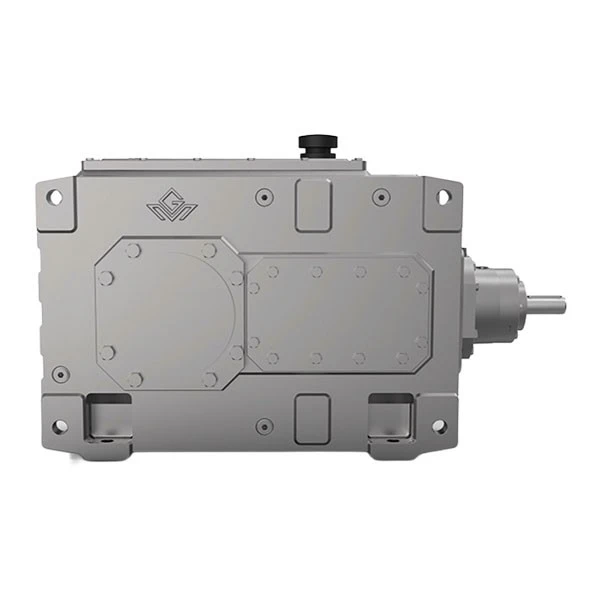
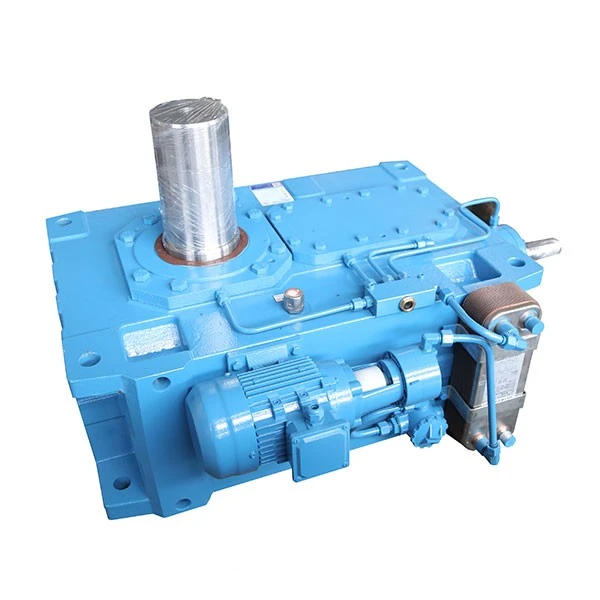
If you are interested in our Industrial Helical Gearbox, which also shares some similar design and performance characteristics with our vertical cylindrical gear reducers, feel free to explore the link.
Conclusion
In conclusion, torsional rigidity is a critical property of vertical cylindrical gear reducers. It affects the precision, load - carrying capacity, and vibration and noise performance of the reducer. By understanding the factors that influence torsional rigidity and using appropriate measurement methods, we can design and manufacture high - quality gear reducers that meet the diverse needs of our customers.
If you are in the market for a vertical cylindrical gear reducer or have any questions about torsional rigidity or our products, please do not hesitate to contact us. We are more than willing to discuss your requirements and provide you with the best solutions. Our team of experts is here to assist you throughout the procurement process and ensure that you get the most suitable gear reducer for your application. Let's work together to achieve your industrial goals!
References
- Budynas, R. G., & Nisbett, J. K. (2011). Shigley's Mechanical Engineering Design. McGraw - Hill.
- Norton, R. L. (2012). Design of Machinery: An Introduction to the Synthesis and Analysis of Mechanisms and Machines. McGraw - Hill.