

What kind of fluid is used in Voith Fluid Coupling?
Oct 03, 2026
As a supplier of Voith Fluid Couplings, one of the most common questions I encounter from clients is about the type of fluid used in these devices. Understanding the appropriate fluid is crucial as it directly impacts the performance, efficiency, and lifespan of the fluid coupling.
The Basics of Voith Fluid Couplings
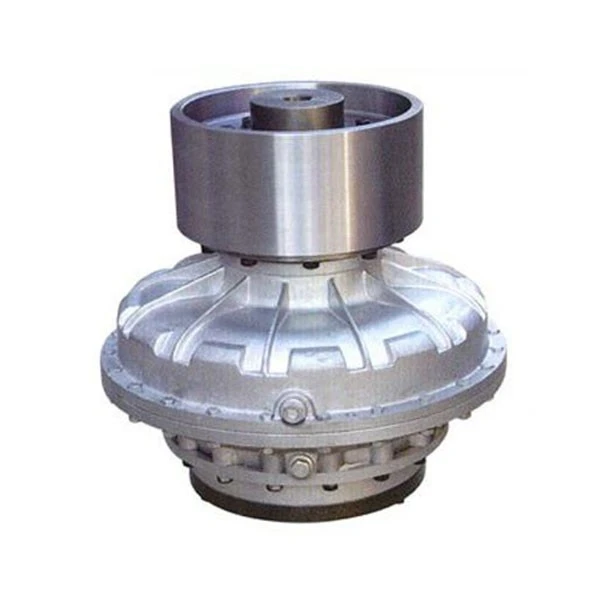
Before delving into the fluid types, it's essential to grasp the fundamental working principle of a Fluid Coupling. A fluid coupling is a hydrodynamic device that transfers rotational power from a prime mover, such as an electric motor or an engine, to a driven machine. It consists of an impeller (connected to the input shaft) and a runner (connected to the output shaft), both housed in a casing filled with fluid. When the impeller rotates, it imparts kinetic energy to the fluid, which then transfers this energy to the runner, causing it to rotate and drive the connected machinery.
Importance of the Right Fluid
The fluid in a Voith Fluid Coupling serves multiple purposes. Firstly, it acts as the medium for power transmission, allowing for smooth and efficient transfer of torque. Secondly, it helps in dissipating heat generated during operation, preventing overheating and potential damage to the coupling. Additionally, the fluid provides lubrication to the internal components, reducing wear and tear and extending the coupling's service life. Using the wrong fluid can lead to poor performance, reduced efficiency, increased maintenance requirements, and even premature failure of the coupling.
Types of Fluids Used in Voith Fluid Couplings
Mineral Oils
Mineral oils are one of the most commonly used fluids in Voith Fluid Couplings. They are derived from crude oil through a refining process and offer several advantages. One of the primary benefits of mineral oils is their excellent lubricating properties, which help in reducing friction between the moving parts of the coupling. They also have good thermal stability, meaning they can withstand high temperatures without significant degradation. This makes them suitable for a wide range of operating conditions, including continuous heavy-duty applications.
Mineral oils are available in different viscosity grades, allowing for customization based on the specific requirements of the coupling and the application. For example, in applications where high torque transmission is required, a higher viscosity oil may be preferred to ensure efficient power transfer. On the other hand, for applications with low starting torque or high-speed operation, a lower viscosity oil may be more suitable to reduce power losses and improve efficiency.
Synthetic Oils
Synthetic oils are another popular choice for Voith Fluid Couplings, especially in demanding applications. These oils are chemically engineered to offer superior performance compared to mineral oils. One of the key advantages of synthetic oils is their excellent oxidative stability, which means they are less likely to break down and form sludge or varnish deposits over time. This results in cleaner internal components and reduced maintenance requirements.
Synthetic oils also have a wider operating temperature range than mineral oils. They can maintain their viscosity and lubricating properties at extremely high and low temperatures, making them ideal for applications in harsh environments. Additionally, synthetic oils have better anti-wear and anti-corrosion properties, providing enhanced protection to the coupling's internal components.
Water-Glycol Mixtures
In some applications, water-glycol mixtures are used as the fluid in Voith Fluid Couplings. These mixtures typically consist of water and a glycol-based additive, such as ethylene glycol or propylene glycol. Water-glycol mixtures offer several benefits, including good heat transfer properties and fire resistance.
The high specific heat capacity of water allows for efficient heat dissipation, making water-glycol mixtures suitable for applications where heat generation is a concern. Additionally, the glycol additive provides anti-freeze protection, allowing the coupling to operate in cold environments without the risk of freezing. The fire-resistant properties of water-glycol mixtures make them a preferred choice in applications where there is a potential fire hazard, such as in mining or steel industries.
Factors Affecting Fluid Selection
When selecting the appropriate fluid for a Voith Fluid Coupling, several factors need to be considered.
Operating Temperature
The operating temperature of the coupling is a critical factor in fluid selection. Different fluids have different temperature limits, and using a fluid that cannot withstand the operating temperature can lead to thermal degradation and reduced performance. For high-temperature applications, synthetic oils or water-glycol mixtures may be more suitable, while mineral oils may be sufficient for applications with moderate operating temperatures.
Torque Requirements
The torque requirements of the application also play a role in fluid selection. Higher torque applications typically require fluids with higher viscosity to ensure efficient power transmission. Conversely, lower torque applications may benefit from lower viscosity fluids to reduce power losses and improve efficiency.

Environmental Conditions
The environmental conditions in which the coupling operates can also influence fluid selection. For example, in applications where there is a risk of fire, fire-resistant fluids such as water-glycol mixtures may be required. In dusty or dirty environments, fluids with good anti-wear and anti-corrosion properties may be preferred to protect the coupling's internal components.
Compatibility with Materials
It's important to ensure that the selected fluid is compatible with the materials used in the coupling. Some fluids may react with certain materials, causing corrosion or degradation. Voith provides guidelines on fluid compatibility, and it's essential to follow these recommendations to ensure the long-term reliability of the coupling.
Maintenance and Fluid Replacement
Proper maintenance of the fluid in a Voith Fluid Coupling is essential for its optimal performance. Regular monitoring of the fluid's condition, including its viscosity, contamination level, and water content, is recommended. Over time, the fluid may degrade due to oxidation, contamination, or thermal stress, and it may need to be replaced.
The frequency of fluid replacement depends on several factors, including the type of fluid used, the operating conditions, and the manufacturer's recommendations. In general, it's advisable to replace the fluid at regular intervals to prevent potential problems and ensure the long-term reliability of the coupling.
Conclusion
Selecting the right fluid for a Voith Fluid Coupling is crucial for its performance, efficiency, and longevity. Mineral oils, synthetic oils, and water-glycol mixtures are the most common types of fluids used, each offering its own set of advantages and suitability for different applications. By considering factors such as operating temperature, torque requirements, environmental conditions, and material compatibility, you can choose the fluid that best meets the needs of your specific application.
If you are in need of Voith Fluid Couplings or have questions about the appropriate fluid for your application, please feel free to contact us for further procurement discussions. Our team of experts is ready to provide you with the best solutions and support.
References
- Voith Fluid Coupling Technical Manuals
- Industry standards on fluid selection for hydrodynamic devices