

Are fluid couplings suitable for high - speed applications?
Sep 16, 2026
In the realm of industrial power transmission, the question of whether fluid couplings are suitable for high - speed applications is a topic that demands in - depth exploration. As a fluid coupling supplier, I have witnessed firsthand the diverse applications of these devices and understand the importance of making informed decisions regarding their use in high - speed scenarios.
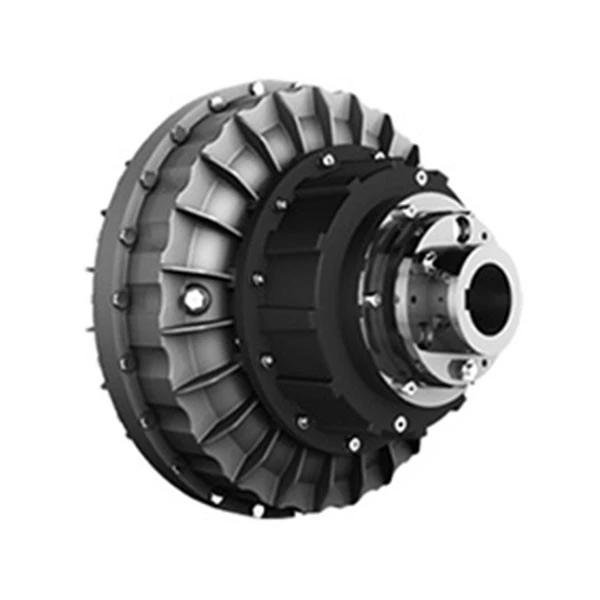

Understanding Fluid Couplings
Before delving into their suitability for high - speed applications, it's essential to understand what fluid couplings are. A Fluid Coupling is a hydrodynamic device that transmits rotational power between two shafts by the use of a fluid. It consists of an impeller (connected to the input shaft) and a runner (connected to the output shaft), both enclosed in a casing filled with a fluid, typically oil. When the impeller rotates, it imparts kinetic energy to the fluid, which then transfers this energy to the runner, causing it to rotate.
One of the primary advantages of fluid couplings is their ability to provide smooth acceleration and shock absorption. This is because the fluid acts as a buffer between the input and output shafts, reducing the impact of sudden loads or changes in speed. Additionally, fluid couplings can protect the drivetrain from overloads by slipping when the load exceeds a certain limit, preventing damage to the motor and other components.
High - Speed Applications: General Requirements
High - speed applications often have specific requirements that must be met for reliable and efficient operation. These include:
- Low vibration: High - speed machinery is more sensitive to vibration, which can lead to premature wear, reduced component life, and decreased performance. Any power transmission device used in such applications must be designed to minimize vibration.
- High power density: To handle the high rotational speeds, the power transmission system needs to be capable of transmitting a large amount of power within a relatively small space. This requires components with high power - to - size ratios.
- Reliability: In high - speed applications, downtime can be extremely costly. Therefore, the power transmission components must be reliable and require minimal maintenance.
Fluid Couplings in High - Speed Applications
Now, let's examine whether fluid couplings can meet the requirements of high - speed applications.
Vibration Dampening
As mentioned earlier, fluid couplings are excellent at reducing shock and vibration. The fluid within the coupling acts as a damping medium, absorbing any sudden changes in torque or speed. In high - speed applications, this vibration - dampening property is invaluable. By reducing vibration, fluid couplings can help extend the life of bearings, gears, and other drivetrain components. This is especially important in applications such as high - speed pumps, compressors, and generators, where even small amounts of vibration can cause significant problems.
Power Transmission
Fluid couplings can transmit a substantial amount of power. However, their power - transmission capacity is limited by factors such as the size of the coupling, the type of fluid used, and the operating speed. In high - speed applications, the power - transmission efficiency of fluid couplings can be affected by factors like fluid friction and turbulence. At very high speeds, these losses can increase, reducing the overall efficiency of the coupling.
To overcome these limitations, modern fluid couplings are designed with advanced features. For example, some couplings use special impeller and runner designs to optimize the flow of fluid and reduce losses. Additionally, the use of high - performance fluids can also improve the power - transmission efficiency at high speeds.
Reliability
Fluid couplings are known for their reliability and low maintenance requirements. They have no direct mechanical connection between the input and output shafts, which means there is no wear on gears or other mechanical components. This makes them suitable for continuous operation in high - speed applications. However, it is important to ensure proper installation and maintenance of the coupling. Regular checks of the fluid level and quality, as well as the condition of the seals, are essential to prevent leaks and ensure reliable operation.
Specific High - Speed Applications of Fluid Couplings
In some industrial sectors, fluid couplings are commonly used in high - speed applications.
Oil and Gas Industry
In the oil and gas industry, high - speed pumps are used for tasks such as crude oil transfer and injection. A fluid coupling can be used to connect the pump to the motor, providing smooth start - up and protection against overloads. The vibration - dampening properties of the fluid coupling also help reduce the wear on the pump bearings and other components, increasing the overall reliability of the system.
Power Generation
In power generation plants, fluid couplings are used in high - speed steam turbines and generators. They can help synchronize the speed of the turbine with the generator and protect the system from sudden changes in load. The ability of fluid couplings to absorb shock and vibration also helps improve the efficiency and reliability of the power generation process.
Limitations and Considerations
While fluid couplings have many advantages in high - speed applications, there are also some limitations and considerations that must be taken into account.
Heat Generation
At high speeds, fluid couplings can generate a significant amount of heat due to fluid friction. This heat must be dissipated to prevent overheating of the coupling and damage to the fluid. In some cases, additional cooling systems, such as oil coolers, may be required to maintain the operating temperature within acceptable limits.
Speed Range
Fluid couplings have an optimal speed range within which they operate most efficiently. Outside of this range, their performance may degrade. Therefore, it is important to select a fluid coupling that is suitable for the specific speed requirements of the application.
Conclusion: Are Fluid Couplings Suitable for High - Speed Applications?
In conclusion, fluid couplings can be suitable for high - speed applications, but careful consideration must be given to the specific requirements of the application. Their ability to dampen vibration, provide smooth acceleration, and protect against overloads makes them a viable option for many high - speed industrial processes. However, factors such as power - transmission efficiency, heat generation, and speed range must be carefully evaluated.
As a fluid coupling supplier, we offer a wide range of YOX Fluid Coupling products that are designed to meet the needs of high - speed applications. Our couplings are engineered with advanced technology to ensure high performance, reliability, and efficiency.
If you are considering using fluid couplings in your high - speed applications, we encourage you to contact us for a detailed consultation. Our team of experts can help you select the right coupling for your specific requirements and provide support throughout the installation and operation process. Let's work together to optimize your power transmission system and ensure the success of your industrial processes.
References
- Neubert, L., & Seume, J. R. (2017). Hydrodynamic couplings: A review of design, performance, and applications. Journal of Fluids Engineering, 139(11), 110801.
- Karassik, I. J., Messina, J. P., Cooper, P. T., & Heald, C. C. (2008). Pump handbook. McGraw - Hill.
- Budynas, R. G., & Nisbett, J. K. (2011). Shigley's mechanical engineering design. McGraw - Hill.