

How to adjust the backlash in a vertical cylindrical gear reducer?
Sep 25, 2026
Backlash in a vertical cylindrical gear reducer refers to the clearance or play between the teeth of meshing gears. It is a critical parameter that can significantly affect the performance and lifespan of the gear reducer. As a supplier of vertical cylindrical gear reducers, I understand the importance of proper backlash adjustment. In this blog, I will share some practical methods on how to adjust the backlash in a vertical cylindrical gear reducer.
Understanding Backlash
Before delving into the adjustment methods, it's essential to understand why backlash exists and its implications. Backlash is necessary to prevent gears from jamming due to manufacturing tolerances, thermal expansion, and lubrication requirements. However, excessive backlash can lead to issues such as noise, vibration, reduced accuracy, and premature wear of the gear teeth. On the other hand, insufficient backlash can cause overloading, heat generation, and even gear failure. Therefore, finding the right balance is crucial.
Measuring Backlash
The first step in adjusting the backlash is to measure it accurately. There are several methods to measure backlash, but one of the most common is the dial indicator method. Here's how it works:
- Prepare the Gear Reducer: Ensure that the gear reducer is properly installed and secured. The input and output shafts should be free to rotate.
- Mount the Dial Indicator: Attach the dial indicator to a fixed point near the gear teeth. The indicator's probe should be in contact with the tooth surface of one of the gears.
- Rotate the Gears: Slowly rotate the input shaft in one direction until the gears are in full contact. Then, rotate the shaft in the opposite direction until the gears start to move again. The difference in the dial indicator reading between these two positions is the backlash.
It's important to take multiple measurements at different positions around the gear circumference to ensure accuracy. The average of these measurements will give you a more reliable value for the backlash.
Adjustment Methods
Shimming
Shimming is a common method used to adjust the backlash in gear reducers. It involves adding or removing thin metal shims between the gear housing and the bearing seats. By changing the thickness of the shims, you can adjust the position of the gears and thus the backlash. Here's how to do it:
- Determine the Required Shim Thickness: Based on the measured backlash and the desired value, calculate the amount of shim thickness to be added or removed. This can be done using the gear reducer's specifications or by consulting the manufacturer.
- Remove the Gear Housing: Carefully remove the gear housing to access the bearings and gears. Make sure to keep track of all the components and their positions.
- Add or Remove Shims: Insert or remove the shims between the bearing seats and the gear housing. Be careful not to damage the bearings or the gears during this process.
- Reassemble the Gear Reducer: Once the shims are in place, reassemble the gear housing and tighten the bolts to the specified torque.
- Recheck the Backlash: After reassembly, measure the backlash again to ensure that it is within the desired range. If necessary, make further adjustments.
Adjusting the Bearing Preload
Another way to adjust the backlash is by adjusting the bearing preload. Bearing preload is the amount of force applied to the bearings to eliminate any internal clearance. By increasing or decreasing the preload, you can change the position of the gears and thus the backlash. Here's how to do it:
- Loosen the Bearing Locknuts: Use a suitable tool to loosen the bearing locknuts on the input and output shafts.
- Adjust the Bearing Preload: Use a torque wrench to apply the appropriate amount of torque to the bearing locknuts. The amount of torque required will depend on the type and size of the bearings.
- Recheck the Backlash: After adjusting the bearing preload, measure the backlash again to ensure that it is within the desired range. If necessary, make further adjustments.
Using an Adjustable Gear Mount
Some vertical cylindrical gear reducers are equipped with adjustable gear mounts. These mounts allow you to adjust the position of the gears by means of screws or other mechanisms. Here's how to use an adjustable gear mount to adjust the backlash:
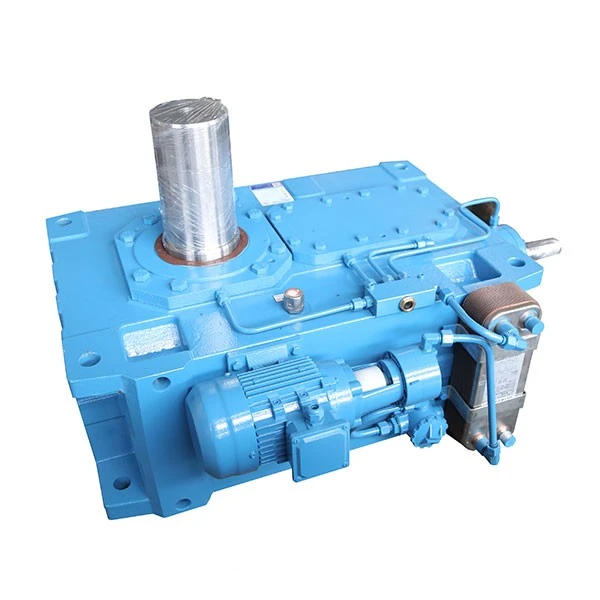
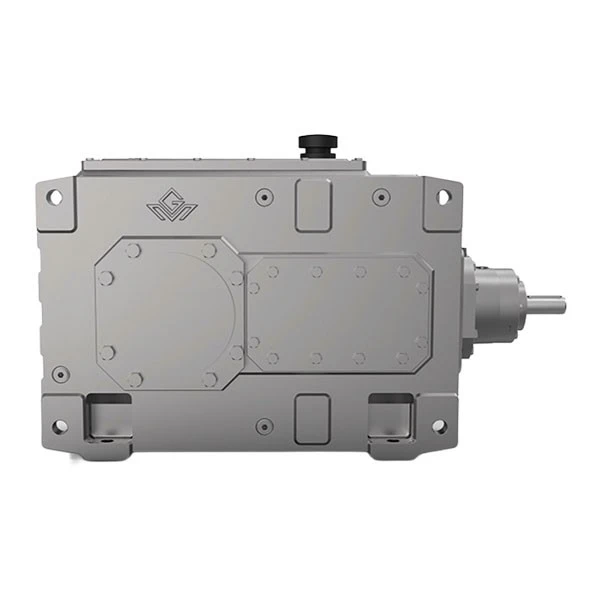
- Locate the Adjustable Gear Mount: Identify the adjustable gear mount on the gear reducer. It is usually located near the bearings or the gear housing.
- Adjust the Gear Position: Use the adjustment screws or other mechanisms to move the gears in the desired direction. Make small adjustments at a time and recheck the backlash after each adjustment.
- Lock the Gear Mount: Once the desired backlash is achieved, lock the adjustable gear mount in place to prevent further movement.
Considerations and Precautions
When adjusting the backlash in a vertical cylindrical gear reducer, there are several considerations and precautions to keep in mind:
- Follow the Manufacturer's Instructions: Always refer to the gear reducer's manual or the manufacturer's instructions for the specific adjustment procedures and specifications.
- Use the Right Tools: Make sure to use the appropriate tools for the adjustment, such as a dial indicator, torque wrench, and shims.
- Take Safety Precautions: When working on the gear reducer, wear appropriate safety gear, such as gloves and safety glasses. Make sure to follow all safety procedures to prevent accidents.
- Monitor the Performance: After adjusting the backlash, monitor the performance of the gear reducer for any signs of abnormal noise, vibration, or temperature rise. If any issues are detected, stop the operation immediately and investigate the cause.
Conclusion
Adjusting the backlash in a vertical cylindrical gear reducer is a critical task that requires careful attention and precision. By following the methods and precautions outlined in this blog, you can ensure that the gear reducer operates smoothly and efficiently. If you have any questions or need further assistance with backlash adjustment or other aspects of gear reducers, please feel free to contact us. We are a leading supplier of Industrial Helical Gearbox and vertical cylindrical gear reducers, and we are committed to providing high-quality products and excellent customer service. Whether you are looking to purchase a new gear reducer or need help with maintenance and adjustment, we are here to support you. Contact us today to discuss your requirements and explore how we can meet your needs.
References
- "Gear Design Handbook" by Dudley, D. W.
- "Mechanical Engineering Design" by Shigley, J. E. and Mischke, C. R.
- Manufacturer's manuals and technical documents for vertical cylindrical gear reducers.