

What is the dynamic performance of a vertical cylindrical gear reducer?
Sep 25, 2026
What is the dynamic performance of a vertical cylindrical gear reducer?
As a supplier of vertical cylindrical gear reducers, I am often asked about the dynamic performance of these crucial industrial components. Understanding the dynamic performance of a vertical cylindrical gear reducer is essential for ensuring its efficient and reliable operation in various applications. In this blog, I will delve into the key aspects of the dynamic performance of vertical cylindrical gear reducers, exploring factors such as torque transmission, speed regulation, and vibration characteristics.
Torque Transmission
One of the primary functions of a vertical cylindrical gear reducer is to transmit torque from the input shaft to the output shaft. The dynamic performance of the gear reducer in terms of torque transmission is determined by several factors, including the gear ratio, the number of teeth on the gears, and the material properties of the gears.
The gear ratio is a crucial parameter that determines the relationship between the input and output speeds of the gear reducer. A higher gear ratio means that the output speed will be lower than the input speed, but the output torque will be higher. This is because the gear reducer uses the principle of mechanical advantage to increase the torque at the output shaft.
The number of teeth on the gears also affects the torque transmission performance of the gear reducer. Gears with a larger number of teeth generally have a smoother and more efficient torque transmission, as they provide a larger contact area between the gears. This reduces the stress on the gears and minimizes the risk of gear wear and failure.
The material properties of the gears are another important factor in determining the torque transmission performance of the gear reducer. High-quality materials, such as alloy steels, are often used in the manufacturing of gears to ensure their strength and durability. These materials can withstand high levels of stress and torque, allowing the gear reducer to operate reliably under heavy loads.
Speed Regulation
In addition to torque transmission, the dynamic performance of a vertical cylindrical gear reducer also includes its ability to regulate the speed of the output shaft. This is particularly important in applications where precise speed control is required, such as in conveyor systems, machine tools, and robotics.
The speed regulation performance of a gear reducer is determined by several factors, including the gear ratio, the efficiency of the gear reducer, and the control system used to adjust the speed.
The gear ratio plays a crucial role in determining the speed regulation performance of the gear reducer. A higher gear ratio means that the output speed will be lower than the input speed, but it also provides a greater degree of speed reduction. This allows the gear reducer to achieve a more precise speed control, as the output speed can be adjusted by changing the input speed or the gear ratio.
The efficiency of the gear reducer is another important factor in determining its speed regulation performance. A more efficient gear reducer will waste less energy and generate less heat, which can improve the overall performance and reliability of the system. High-efficiency gear reducers are often designed with advanced gear profiles and lubrication systems to minimize friction and maximize power transmission.
The control system used to adjust the speed of the gear reducer is also crucial for achieving precise speed regulation. There are several types of control systems available, including mechanical, electrical, and electronic control systems. Mechanical control systems use gears, belts, or pulleys to adjust the speed of the gear reducer, while electrical and electronic control systems use motors, sensors, and controllers to regulate the speed.
Vibration Characteristics
The vibration characteristics of a vertical cylindrical gear reducer are another important aspect of its dynamic performance. Excessive vibration can cause noise, wear, and damage to the gear reducer and other components in the system, which can reduce the overall performance and reliability of the system.
The vibration characteristics of a gear reducer are determined by several factors, including the design of the gear reducer, the quality of the gears, and the operating conditions.
The design of the gear reducer plays a crucial role in determining its vibration characteristics. A well-designed gear reducer will have a balanced and stable structure, which can minimize the vibration generated during operation. The gear reducer should also be designed with proper alignment and clearance between the gears to ensure smooth and efficient operation.
The quality of the gears is another important factor in determining the vibration characteristics of the gear reducer. High-quality gears are often manufactured with precise machining and heat treatment processes to ensure their accuracy and durability. These gears can provide a smoother and more efficient torque transmission, which can reduce the vibration generated during operation.
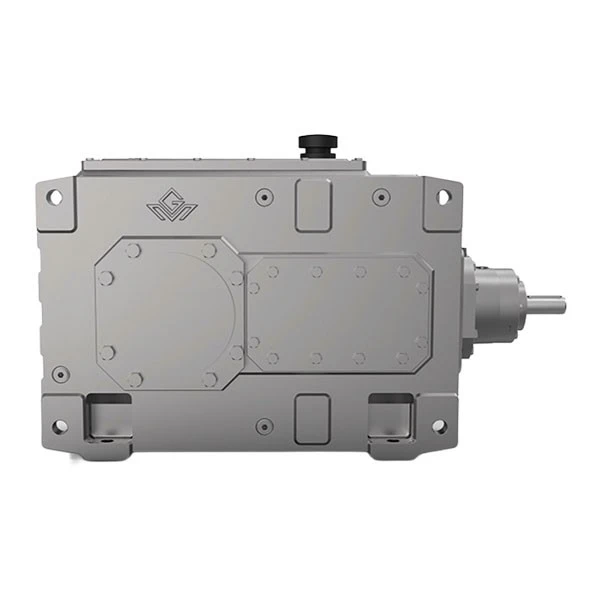
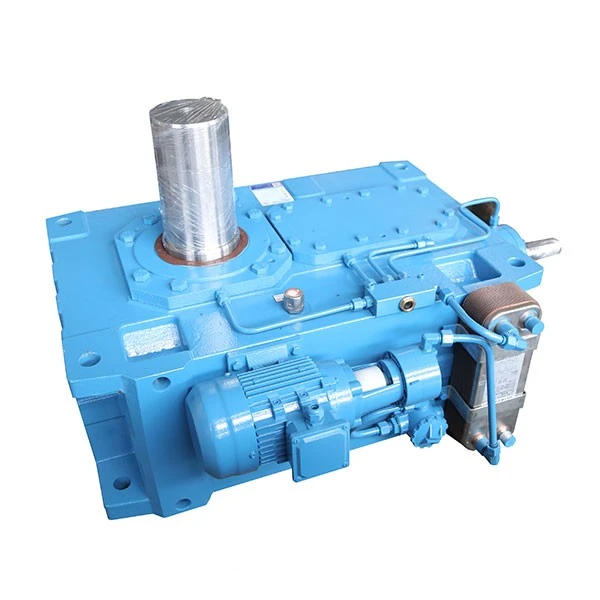
The operating conditions of the gear reducer also affect its vibration characteristics. The gear reducer should be operated within its specified load and speed limits to avoid excessive vibration. The gear reducer should also be properly lubricated and maintained to ensure its smooth and efficient operation.
Industrial Helical Gearbox
If you are looking for a high-quality industrial helical gearbox, I recommend checking out the Industrial Helical Gearbox on our website. Our industrial helical gearboxes are designed with advanced technology and high-quality materials to provide reliable and efficient performance in various industrial applications.
Contact Us for Purchase and Negotiation
If you are interested in purchasing our vertical cylindrical gear reducers or have any questions about their dynamic performance, please feel free to contact us. Our team of experts will be happy to assist you in selecting the right gear reducer for your application and provide you with detailed information about its features and benefits. We look forward to working with you and helping you achieve your industrial goals.
References
- "Gear Design and Application" by Dudley, D. W.
- "Mechanical Engineering Design" by Shigley, J. E. and Mischke, C. R.
- "Handbook of Industrial Gear Drives" by Niemann, G. and Winter, H.