

How to ensure the safety of a vertical cylindrical gear reducer during maintenance?
Sep 14, 2026
As a supplier of vertical cylindrical gear reducers, ensuring the safety of these crucial industrial components during maintenance is of paramount importance. In this blog, we will delve into the key aspects of maintaining the safety of vertical cylindrical gear reducers, drawing on our industry experience and expertise.
Understanding the Vertical Cylindrical Gear Reducer
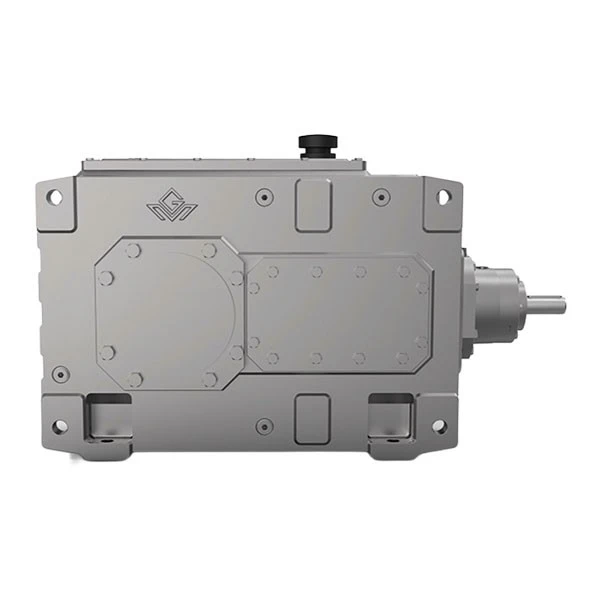
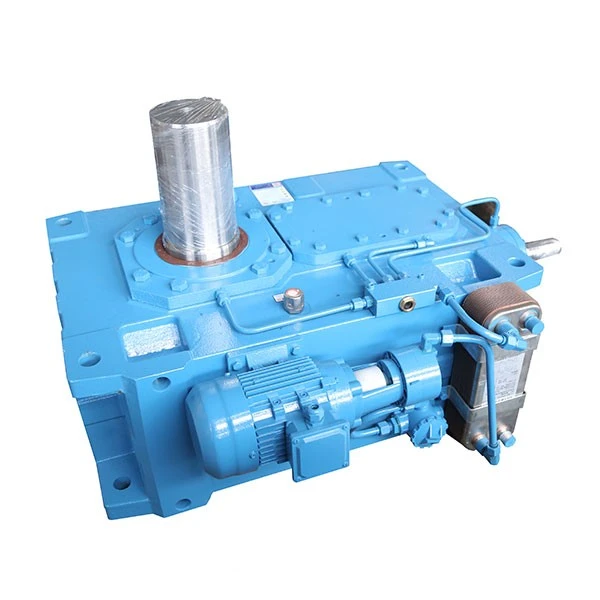
Before discussing maintenance safety, it is essential to understand the structure and function of a vertical cylindrical gear reducer. These reducers are designed to transmit power and reduce speed between parallel shafts. They consist of a set of cylindrical gears enclosed in a housing, with a vertical orientation for specific applications where space and installation requirements are crucial.
The efficiency and reliability of a vertical cylindrical gear reducer depend on the proper functioning of its gears, bearings, and lubrication system. Any malfunction or damage to these components can lead to reduced performance, increased energy consumption, and even safety hazards.
Pre - maintenance Safety Checks
1. Power Isolation
The first step in ensuring safety during maintenance is to isolate the power source. This involves shutting off the electrical supply to the motor connected to the gear reducer. Lockout - tagout procedures should be strictly followed to prevent accidental startup. A lockout device should be used to physically lock the power switch, and a tag should be attached indicating that maintenance is in progress.
2. Environmental Assessment
Assess the working environment around the gear reducer. Ensure that the area is clean, well - ventilated, and free from any potential sources of ignition, such as open flames or sparks. If the gear reducer is located in a hazardous area, appropriate safety precautions should be taken according to the relevant safety standards.
3. Visual Inspection
Conduct a thorough visual inspection of the gear reducer before starting maintenance. Look for signs of damage, such as cracks in the housing, leaks in the lubrication system, or loose bolts. Check the alignment of the input and output shafts to ensure that there are no misalignments that could cause additional stress on the gears.
Maintenance Procedures and Safety
1. Lubrication System Maintenance
The lubrication system is critical for the smooth operation of the vertical cylindrical gear reducer. When performing maintenance on the lubrication system, safety should be a top priority.
First, ensure that the gear reducer has cooled down before draining the old lubricant. This is to prevent burns from the hot oil. Use appropriate personal protective equipment (PPE), such as gloves and goggles, when handling the lubricant.
When refilling the lubricant, use the correct type and quantity as specified by the manufacturer. Over - filling or under - filling the lubricant can lead to overheating and premature wear of the gears.
2. Gear and Bearing Inspection
Inspecting the gears and bearings is a crucial part of maintenance. When removing the covers to access the gears and bearings, be careful not to damage any seals or gaskets.
Use proper tools and techniques to inspect the gears for signs of wear, pitting, or tooth breakage. Bearings should be checked for play, noise, and lubrication. If any abnormal conditions are found, the gears or bearings should be replaced promptly.
During the replacement process, ensure that the new components are installed correctly. Incorrect installation can lead to misalignment, increased vibration, and potential failure of the gear reducer.
3. Sealing and Gasket Replacement
If the seals and gaskets are worn or damaged, they should be replaced to prevent lubricant leakage. When replacing seals and gaskets, clean the mating surfaces thoroughly to ensure a proper seal.
Use the correct type of sealant and follow the manufacturer's instructions for application. Improper sealing can lead to contamination of the lubricant and reduced performance of the gear reducer.
Post - maintenance Safety Checks
1. Reassembly and Alignment
After completing the maintenance tasks, reassemble the gear reducer carefully. Ensure that all components are installed in the correct position and that all bolts are tightened to the specified torque.
Check the alignment of the input and output shafts again. Misalignment can cause excessive vibration, noise, and premature wear of the gears and bearings. Use alignment tools to ensure accurate alignment.
2. Lubricant Level Check
Verify that the lubricant level is correct after reassembly. Start the gear reducer and let it run for a short period, then check for any leaks. If any leaks are detected, stop the gear reducer immediately and address the issue.
3. Function Testing
Conduct a function test of the gear reducer. This includes checking the speed reduction ratio, the smoothness of operation, and the temperature rise. Monitor the gear reducer for any abnormal noises or vibrations during the test. If any problems are detected, further investigation and troubleshooting are required.
Importance of Training and Documentation
1. Training
Proper training of maintenance personnel is essential for ensuring the safety of vertical cylindrical gear reducers during maintenance. Maintenance personnel should be familiar with the structure and function of the gear reducer, as well as the correct maintenance procedures.
Training should cover topics such as power isolation, the use of PPE, lubrication management, and component inspection and replacement. Regular training sessions should be conducted to keep the maintenance team updated on the latest safety standards and best practices.
2. Documentation
Maintaining accurate documentation is crucial for the safety and reliability of vertical cylindrical gear reducers. Documentation should include maintenance records, such as the date of maintenance, the type of maintenance performed, and the parts replaced.
This documentation can be used to track the maintenance history of the gear reducer, identify potential issues, and plan future maintenance tasks. It also provides valuable information for troubleshooting in case of any problems.
Related Products and Further Learning
If you are interested in other types of gearboxes, you may want to explore our Industrial Helical Gearbox. Industrial helical gearboxes offer high - efficiency power transmission and are suitable for a wide range of industrial applications.
Conclusion and Call to Action
Ensuring the safety of vertical cylindrical gear reducers during maintenance is a complex but essential task. By following the pre - maintenance safety checks, proper maintenance procedures, post - maintenance safety checks, and emphasizing training and documentation, we can minimize the risks and ensure the reliable operation of these important industrial components.
If you are in the market for high - quality vertical cylindrical gear reducers or need professional advice on maintenance and safety, we invite you to contact us for procurement discussions. Our team of experts is ready to provide you with the best solutions tailored to your specific needs.
References
- Industrial Gearbox Handbook, published by a well - known industrial machinery publisher.
- Safety Standards for Gear Reducer Maintenance, issued by relevant national or international safety organizations.
- Manufacturer's manuals for vertical cylindrical gear reducers.