

How to replace the fluid in Flender Fluid Coupling?
Sep 01, 2026
As a supplier of Flender Fluid Coupling, I've witnessed firsthand the importance of proper maintenance, especially when it comes to fluid replacement. In this blog, I'll guide you through the process of replacing the fluid in a Flender Fluid Coupling, ensuring its optimal performance and longevity.
Understanding the Flender Fluid Coupling
Before delving into the fluid replacement process, it's essential to understand what a Flender Fluid Coupling is and how it works. A Flender Fluid Coupling is a hydrodynamic device that transmits power between two shafts using a fluid medium. It consists of an impeller, a runner, and a housing filled with fluid. When the impeller rotates, it imparts kinetic energy to the fluid, which then transfers this energy to the runner, causing it to rotate. This process allows for smooth and efficient power transmission, while also providing protection against shock loads and torsional vibrations.

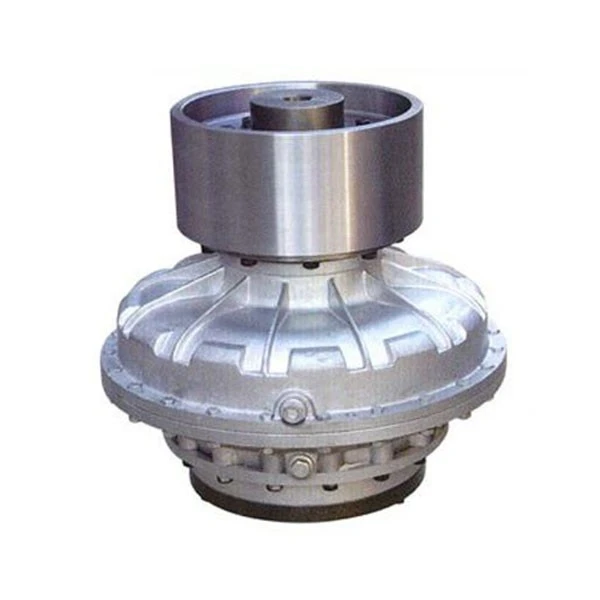
Why Fluid Replacement is Necessary
Over time, the fluid in a Flender Fluid Coupling can degrade due to factors such as heat, oxidation, and contamination. This degradation can lead to a decrease in performance, increased wear and tear on the coupling components, and even premature failure. Regular fluid replacement is crucial to maintain the coupling's efficiency, reliability, and lifespan.
Preparing for Fluid Replacement
Before starting the fluid replacement process, it's important to gather the necessary tools and materials. You'll need a suitable fluid that meets the manufacturer's specifications, a drain pan, a funnel, a clean cloth, and a torque wrench. It's also a good idea to have a copy of the Flender Fluid Coupling manual on hand for reference.
Step-by-Step Fluid Replacement Process
Step 1: Safety First
Before working on the coupling, ensure that the power supply is disconnected and the equipment is properly locked out and tagged. This will prevent any accidental startup and ensure your safety.
Step 2: Locate the Drain Plug
The drain plug is typically located at the bottom of the coupling housing. Refer to the Flender Fluid Coupling manual to find the exact location of the drain plug.
Step 3: Drain the Old Fluid
Place the drain pan beneath the drain plug and carefully remove the plug using a suitable wrench. Allow the old fluid to drain completely into the pan. Be sure to dispose of the old fluid properly according to local regulations.
Step 4: Clean the Coupling
Once the old fluid has drained, use a clean cloth to wipe the inside of the coupling housing and the drain plug. This will remove any debris or contaminants that may have accumulated.
Step 5: Replace the Drain Plug
After cleaning, reinstall the drain plug and tighten it to the manufacturer's specified torque using a torque wrench.
Step 6: Fill the Coupling with New Fluid
Using a funnel, slowly pour the new fluid into the coupling through the fill port. Refer to the Flender Fluid Coupling manual for the recommended fluid level and type. Be careful not to overfill the coupling.
Step 7: Check the Fluid Level
After filling the coupling, check the fluid level using the dipstick or sight glass. The fluid level should be within the recommended range. If necessary, add more fluid to reach the proper level.
Step 8: Start the Equipment
Once the fluid level is correct, reconnect the power supply and start the equipment. Allow the coupling to run for a few minutes to circulate the new fluid and ensure proper operation.
Step 9: Monitor the Coupling
After starting the equipment, monitor the coupling for any signs of leaks, abnormal noise, or vibration. If you notice any issues, stop the equipment immediately and consult the Flender Fluid Coupling manual or a qualified technician.
Comparing Flender Fluid Coupling with Voith Fluid Coupling
While Flender Fluid Couplings are known for their high performance and reliability, it's worth comparing them with Voith Fluid Coupling to understand their differences. Both Flender and Voith are reputable manufacturers of fluid couplings, and each has its own unique features and advantages.
Flender Fluid Couplings are known for their compact design, high efficiency, and excellent torque transmission capabilities. They are suitable for a wide range of applications, including industrial machinery, conveyors, and pumps. Voith Fluid Couplings, on the other hand, are known for their advanced technology, high power density, and superior reliability. They are often used in heavy-duty applications, such as mining, steel, and power generation.
Ultimately, the choice between Flender and Voith Fluid Couplings depends on your specific application requirements, budget, and personal preferences. As a supplier, I can provide you with detailed information and guidance to help you make the right decision.
Conclusion
Replacing the fluid in a Flender Fluid Coupling is a relatively simple process that can significantly improve its performance and lifespan. By following the steps outlined in this blog and using the recommended fluid, you can ensure that your Flender Fluid Coupling operates at its best. If you have any questions or need further assistance, please don't hesitate to contact us. We're here to help you with all your Flender Fluid Coupling needs.
If you're interested in purchasing Flender Fluid Couplings or have any questions about fluid replacement or maintenance, please reach out to us. Our team of experts is ready to assist you with your procurement needs and provide you with the best solutions for your applications.
References
- Flender Fluid Coupling Manual
- Voith Fluid Coupling Technical Documentation