

What is the role of the impeller in a fluid coupling?
Sep 24, 2026
Hey there! As a supplier of fluid couplings, I often get asked about the role of the impeller in these nifty devices. So, I thought I'd sit down and write a blog post to explain it all.
First off, let's talk about what a fluid coupling is. In simple terms, a fluid coupling is a device that transfers power from one shaft to another using a fluid medium, usually oil. It's a key component in many industrial applications, helping to smoothly transmit torque and protect machinery from shock loads. You can learn more about different types of fluid couplings on our website, just click on Fluid Coupling.
Now, let's zero in on the impeller. The impeller is like the heart of a fluid coupling. It's a rotating component that's responsible for creating the flow of the fluid within the coupling. When the input shaft rotates, it spins the impeller, which in turn flings the fluid outwards due to centrifugal force.
The way the impeller works is pretty cool. As it spins, it imparts kinetic energy to the fluid. This energy is then transferred to the turbine, another important part of the fluid coupling. The turbine is connected to the output shaft, and the energy from the fluid makes it rotate, thus transferring power from the input shaft to the output shaft.
One of the main advantages of having an impeller in a fluid coupling is that it allows for a smooth start - up. When you first start a machine with a fluid coupling, the impeller gradually accelerates the fluid, which then gradually accelerates the turbine and the output shaft. This means there's no sudden jolt or shock to the system, which can be really beneficial for the longevity of the machinery.
Another great thing about the impeller is its ability to handle variable loads. In many industrial settings, the load on a machine can change frequently. The impeller in a fluid coupling can adjust to these changes by varying the amount of fluid it pumps. When the load is high, the impeller can pump more fluid, increasing the torque transfer. When the load is low, it pumps less fluid, reducing the power consumption.
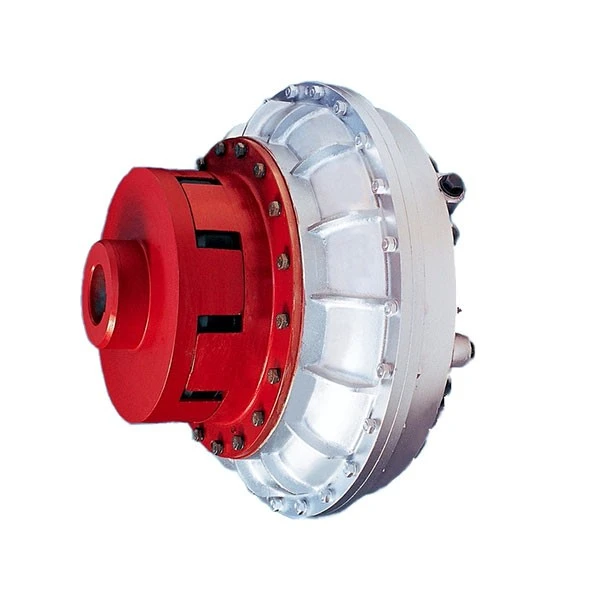
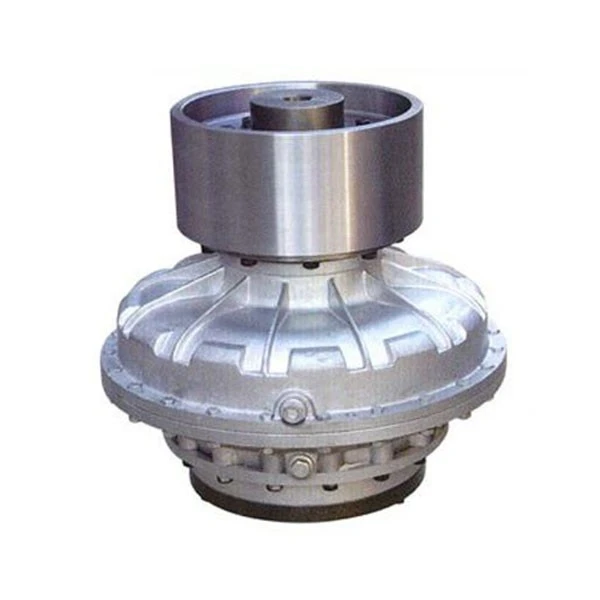
Let's take a look at an example. In a conveyor belt system, the load can vary depending on how much material is being carried. With a fluid coupling equipped with a well - designed impeller, the system can start smoothly and adjust to the changing load. This not only ensures efficient operation but also reduces wear and tear on the conveyor belt and other components.
The design of the impeller also plays a crucial role in the performance of the fluid coupling. There are different types of impeller designs, each with its own characteristics. For instance, some impellers have curved blades, which can enhance the fluid flow and increase the efficiency of the coupling. Others may have a specific shape to optimize the torque transfer at different speeds.
As a fluid coupling supplier, we understand the importance of a high - quality impeller. That's why we offer a range of fluid couplings, including the YOX Fluid Coupling, which are designed with top - notch impellers. Our impellers are made from high - quality materials to ensure durability and reliable performance.
When it comes to maintenance, the impeller needs to be checked regularly. Over time, the impeller can wear out due to the constant contact with the fluid and the high - speed rotation. If the impeller is damaged, it can affect the performance of the fluid coupling and even lead to system failures. So, it's important to inspect the impeller for any signs of wear, such as cracks or chips, and replace it if necessary.
In addition to wear, the impeller can also be affected by the quality of the fluid. If the fluid is contaminated or has the wrong viscosity, it can cause problems for the impeller. For example, if the fluid is too thick, the impeller may have to work harder to pump it, which can lead to increased energy consumption and premature wear. On the other hand, if the fluid is too thin, it may not be able to transfer enough torque.
So, how do you choose the right fluid coupling with the right impeller for your application? Well, it depends on several factors. First, you need to consider the power requirements of your machine. The size and design of the impeller should be able to handle the amount of power you need to transfer. Second, think about the operating conditions. If your machine operates in a harsh environment, you may need an impeller that's more resistant to corrosion and wear.
At our company, we have a team of experts who can help you choose the right fluid coupling and impeller for your specific needs. We can analyze your application, take into account all the relevant factors, and recommend the best solution.
If you're in the market for a fluid coupling, or if you have any questions about the role of the impeller, don't hesitate to get in touch. We're here to help you make the right choice and ensure that your machinery runs smoothly and efficiently.
In conclusion, the impeller is a vital component in a fluid coupling. It's responsible for creating the fluid flow, transferring power, and enabling smooth start - up and variable load handling. A well - designed and maintained impeller can significantly improve the performance and longevity of a fluid coupling. So, if you're looking for a reliable fluid coupling, make sure to pay attention to the impeller.
References
- Fluid Coupling Handbook, various industry publications
- Technical papers on fluid dynamics and power transmission